

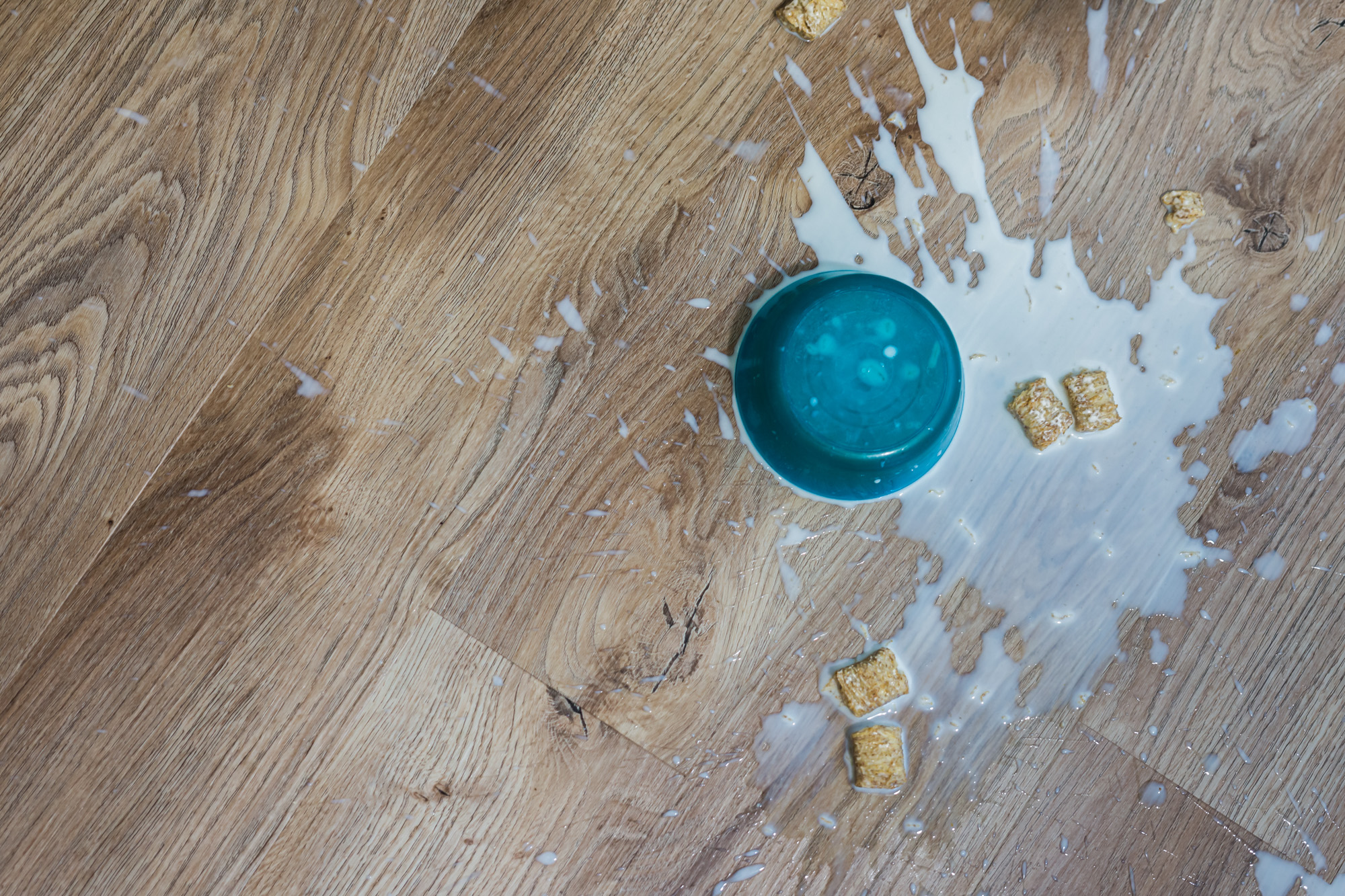
Laminate flooring gives homeowners the look of wood or stone without the maintenance associated with some natural materials. But when you compare products, one label can make a big difference: waterproof. Standard laminate and waterproof laminate flooring may look similar on the surface, yet their resistance to spills and moisture can vary considerably.
Understanding those differences helps you choose a floor that suits the room, your household's routines, and the way you clean. It also helps prevent a common mistake: assuming that a water-resistant surface means the entire floor can tolerate standing water without damage.
How Standard Laminate Handles Moisture
Traditional laminate flooring generally consists of several layers, including a decorative image layer and a dense fiberboard core. A protective wear layer helps resist everyday scuffs and stains, but it does not automatically make the entire plank waterproof. When liquid reaches exposed edges, joints, or damaged areas, moisture can enter the core. The material may swell, causing raised edges, uneven joints, or permanent surface distortion.
Once the core has expanded, drying the floor does not necessarily return it to its original shape. That does not mean standard laminate is unsuitable for every home. It can perform well in rooms where spills are limited and cleaned promptly. Bedrooms, living rooms, and other relatively dry spaces may be appropriate, depending on the product's specifications and installation requirements.
What Makes Waterproof Laminate Different?
Waterproof laminate is designed to provide greater protection against water exposure than conventional laminate. Depending on the product, that protection may involve a specially constructed core, treated edges, tighter locking joints, and surface layers designed to limit water penetration.
The important detail is that waterproof performance varies by manufacturer and product. Some products are tested for standing water over a stated period, while others have specific restrictions around installation conditions, perimeter sealing, or exposure duration.
The word "waterproof" should not be treated as permission to leave spills unattended. Read the manufacturer's warranty and installation instructions before buying. Check whether the rating applies to the plank itself, the installed floor system, or particular rooms. Also confirm whether the product is approved for the moisture conditions in your intended space.
Choose Flooring According to the Room
The best option depends on where the floor will be installed and how much moisture it is likely to encounter. Standard laminate may be a sensible choice for a dry living area where occasional spills can be cleaned immediately. A waterproof-rated product may offer added peace of mind in a busy household with children, pets, or frequent drink spills.
Kitchens and entry areas need closer consideration because water can collect around sinks, appliances, doors, and wet footwear. Bathrooms and other persistently damp areas require especially careful product selection.
Even when a laminate product has waterproof features, the manufacturer may limit where it can be installed. Think beyond spills, too. Water from a plumbing leak, a dishwasher failure, or moisture coming up from an unsuitable subfloor can create problems that a surface rating cannot solve. A floor is only as reliable as the conditions beneath and around it.
Installation Can Affect Waterproof Performance
Correct laminate installation is essential for both standard and waterproof products. The subfloor must meet the manufacturer's requirements for flatness, cleanliness, and moisture conditions. An uneven base can place stress on joints, while an unsuitable moisture barrier or installation method can compromise performance.
Many laminate floors use a floating installation system, allowing the floor to move within specified limits as conditions change. The installer must preserve the required expansion space around walls, cabinets, and other fixed objects.
Pinning the floor in place or blocking its movement can lead to buckling and joint problems. Follow the instructions for cleaning, spill removal, and perimeter details. Avoid assuming that every waterproof laminate product can be installed or maintained in the same way.
Choose Laminate With Confidence
Waterproof laminate flooring can be a useful option when you want the familiar appearance of laminate with additional protection against everyday moisture. Standard laminate may still suit drier rooms and your budget, provided you understand its limitations. In either case, the product's specifications matter more than the label alone.
At Boyer's Floor Covering, you can compare laminate flooring styles and discuss the needs of your home in Reading, PA. Consider the room's exposure to water, the condition of the subfloor, your cleaning routine, and the manufacturer's warranty before making a decision.
Visit our showroom to explore available looks and finishes, and contact us today if you need help narrowing down your options. We serve homeowners across Wyomissing, Douglassville, Oley, Kutztown, and Fleetwood, PA and can help you consider the practical details before installation begins.


