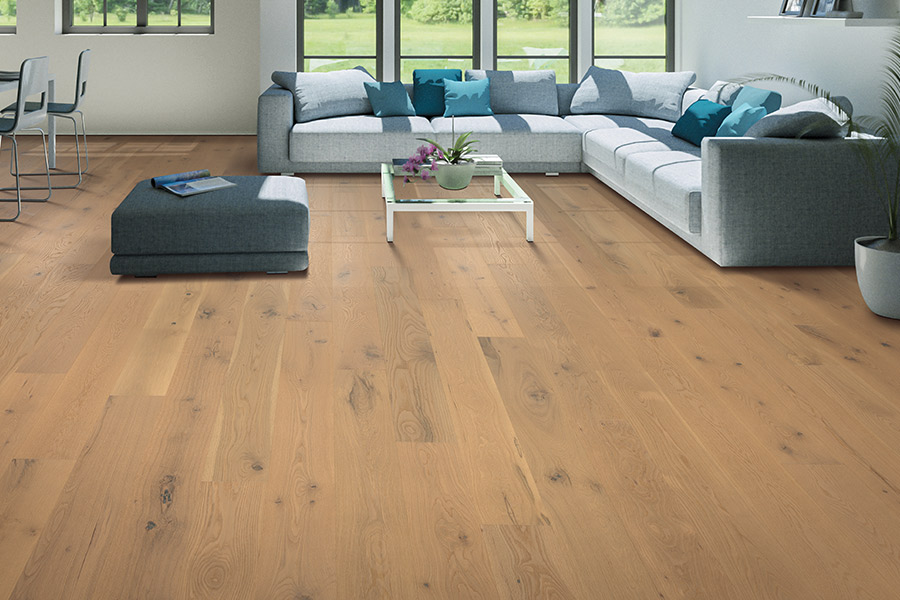
Hardwood floors bring warmth, character, and long-term value into your home. They look incredible when first installed, and they can last for decades with the right care. However, many homeowners eventually notice something concerning. Small gaps begin to form between the boards. These gaps can feel frustrating, especially if you were expecting a seamless surface year-round.
If you live in Reading, PA, or the surrounding areas, you are dealing with a climate that naturally affects wood flooring. Seasonal changes in humidity are common here, and hardwood reacts to those shifts. The good news is that most gapping issues can be prevented or minimized with the right decisions and habits.
Let’s break down exactly why gaps happen and what you can do to stop them before they become a long-term problem.
What causes gaps in hardwood floors?
Hardwood is a natural material, which means it responds to environmental changes. When humidity levels drop, wood releases moisture and shrinks. When humidity rises, wood absorbs moisture and expands. This cycle is what leads to gapping.
During the winter months in Pennsylvania, indoor air tends to become very dry due to heating systems. As a result, hardwood planks contract, and gaps can appear between boards. In the summer, those gaps may shrink or even disappear as humidity levels rise again.
Several other factors can also contribute to excessive gapping:
Improper acclimation before installation
Lack of indoor humidity control
Incorrect installation techniques
Moisture issues in the subfloor
Choosing a flooring product that is not suited for the environment
Understanding these causes is the first step toward prevention. While some movement is natural, large or permanent gaps are usually avoidable.
How can you control humidity to prevent floor gaps?
Maintaining consistent indoor humidity is one of the most effective ways to prevent hardwood floor gaps. Wood performs best when your home stays within a stable humidity range, typically between 35% and 55%.
If the humidity drops below that level, boards begin to shrink. If it rises too high, boards can expand excessively. The goal is to maintain balance throughout the year.
Here are some simple ways to manage humidity in your home:
Use a humidifier during dry winter months to add moisture to the air
Run a dehumidifier in the summer if humidity levels become too high
Keep your HVAC system properly maintained and running consistently
Monitor humidity levels with a hygrometer so you can make adjustments as needed
Consistency is more important than perfection. Avoiding extreme swings in humidity will go a long way in keeping your hardwood floors stable.
Why is proper acclimation important before installation?
Acclimation is a critical step that should never be skipped. Before hardwood flooring is installed, it must be allowed to adjust to the conditions inside your home. This process helps stabilize the moisture content of the wood.
If flooring is installed too quickly without proper acclimation, it will continue adjusting after installation. This often leads to noticeable gaps or other issues.
Proper hardwood acclimation involves:
Allowing the flooring to sit in your home for several days before installation
Keeping the home at normal living conditions during that time
Giving the wood enough time to reach equilibrium with the indoor environment
At Boyer’s Floor Covering, we prioritize this step to ensure long-term performance. Taking the time to acclimate your flooring properly helps prevent avoidable problems down the road.
Does the type of hardwood flooring affect gapping?
The type of wood flooring you choose plays a significant role in how much movement you will see over time. Not all hardwood flooring reacts the same way to environmental changes.
Solid hardwood is made from a single piece of wood, which makes it more sensitive to humidity fluctuations. Engineered hardwood flooring is constructed with multiple layers, which provides greater stability.
There are several factors to consider when selecting wood floors:
Solid wood flooring tends to expand and contract more than engineered options
Engineered hardwood flooring offers better stability in environments with fluctuating humidity
Wider planks may show more noticeable gaps compared to narrower boards
Certain wood species are naturally more stable than others
The finish applied to the flooring can help slow moisture transfer
Choosing the right product for your home can significantly reduce the likelihood of future gaps.
How does professional hardwood floor installation prevent gaps?
Professional hardwood floor installation is essential for preventing issues like gapping. Installing hardwood flooring requires more than simply placing boards on the floor. It involves careful planning, measurement, and understanding how wood behaves over time.
An experienced installer will take several important steps:
Check and document moisture levels in both the flooring and subfloor
Ensure proper spacing is left for expansion and contraction
Select the correct installation method for the specific product
Follow all manufacturer guidelines to protect the integrity of the floor
Even high-quality flooring can develop problems if it is installed incorrectly. That is why working with a skilled installation team is so important.
At Boyer’s Floor Covering, we provide custom installation services backed by more than 100 years of experience. We understand the local conditions and how they impact wood flooring performance.
What role does your subfloor play in preventing gapping?
Your subfloor serves as the foundation for your hardwood flooring. If it is not properly prepared, it can lead to long-term issues, including gapping.
Excess moisture in the subfloor can cause hardwood planks to expand initially. As that moisture dries out over time, the boards may shrink significantly, creating visible gaps.
Before installation, professionals should take the following steps:
Test the subfloor for moisture to ensure it is within acceptable limits
Confirm that the surface is clean, level, and structurally sound
Address any issues that could impact the performance of the flooring
Proper subfloor preparation helps create a stable environment for your hardwood floors from the very beginning.
Can daily habits help prevent hardwood floor gaps?
Your daily habits can have a meaningful impact on the performance of your hardwood floors. Small adjustments can help maintain a stable indoor environment and reduce stress on the flooring.
Consider incorporating these habits into your routine:
Avoid leaving windows open during extreme weather conditions
Use area rugs in high-traffic spaces to reduce wear and stress on the boards
Clean your floors using products specifically designed for hardwood
Maintain consistent indoor temperatures throughout the year
These simple steps can help minimize environmental fluctuations and support the long-term stability of your flooring.
What should you do if gaps already appear?
If you notice gaps in your hardwood floors, it is important to evaluate the situation before taking action. In many cases, seasonal gaps are temporary and will close on their own when humidity levels increase.
If the gaps are large or remain year-round, you may need to explore solutions such as:
Adjusting indoor humidity levels to stabilize the environment
Using wood filler for minor cosmetic gaps
Replacing individual boards if the issue is more severe
The right solution depends on the underlying cause. A professional evaluation can help determine the best course of action.
Your experts on hardwood floors in Reading, PA
Gapping in hardwood floors is a common issue, but it does not have to be a permanent one. With proper planning, the right materials, and consistent maintenance, you can keep your floors looking beautiful for years to come.
Focus on controlling humidity, selecting the right type of flooring, and working with experienced professionals who understand your local environment. These steps will help you avoid unnecessary problems and protect your investment.
If you are ready to upgrade your hardwood flooring or need expert advice, call or stop by Boyer’s Floor Covering. Our wood flooring store in Reading, PA, serves Reading, PA, Wyomissing, PA, Douglassville, PA, Oley, PA, Kutztown, PA, and Fleetwood, PA. We are here to help you achieve the perfect fit with the right products and expert guidance.