
Patterned Floors to Bring Life to Every Space
A well-designed room feels balanced from the ground up. The way light moves across the floor, how textures soften a space, and how lines guide the eye all shape the atmosphere, influencing everything from your color palette to the flow between rooms.
While solid surfaces offer a classic look, introducing a pattern adds a layer of architectural presence and character. Whether you lean toward the gentle dimension of cut-and-loop carpet, the crisp order of patterned hardwood, or geometric luxury vinyl tile, these options allow you to introduce personality at every comfort level. From a quiet, textured detail to a confident focal point, the right pattern shapes how a space feels the moment you walk in.
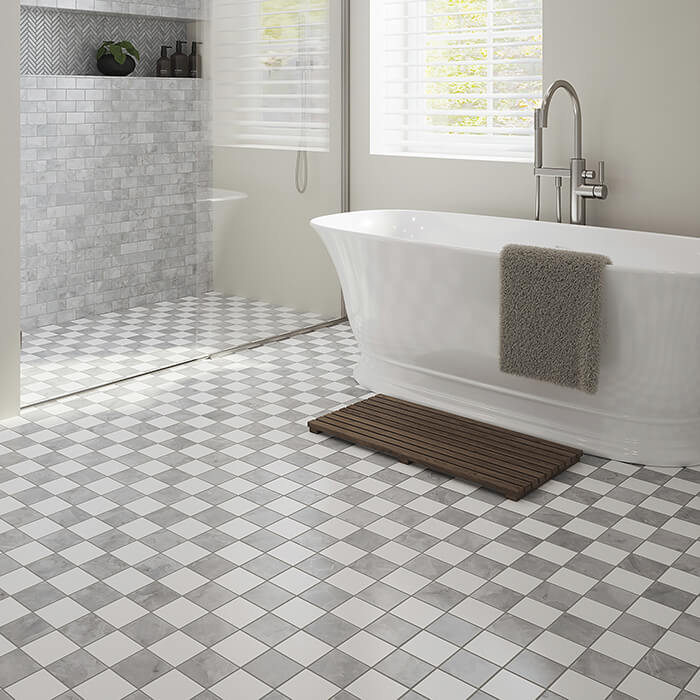
How Patterns Shape Your Home
Patterned flooring introduces visual movement through texture, motifs, or installation layouts like herringbone and chevron. Even subtle tonal shifts in wood grain can add dimension without overwhelming a space.
This variety allows you to fine-tune the floor’s presence, using soft textures as a quiet foundation or bold geometry to define zones and highlight architectural details.
- Traditional and Classic: Herringbone hardwood, parquet, and marble-look tile reinforce symmetry and craftsmanship, lending a sense of heritage to formal spaces.
- Modern and Contemporary: Clean geometric designs, large-format tiles, and wide-plank vinyl in linear layouts create order and visual clarity.
- Transitional: Soft chevrons and lightly patterned carpets bridge classic and current aesthetics, keeping spaces layered without leaning too far in one direction.
- Coastal and Casual: Weathered wood visuals and relaxed plank layouts create an easygoing feel that pairs well with light, airy furnishings.
- Eclectic and Creative: High-contrast motifs and graphic patterns allow the floor to become a defining design feature rather than just a backdrop.
Finding the Right Pattern in Every Flooring Type
Pattern is available across every major flooring category, which means you can match the look you love with the performance your room demands.
From plush surfaces suited for bedrooms to resilient options for kitchens, baths, and entryways, today’s materials offer a wide range of ways to bring texture, geometry, and visual flow into your home while staying mindful of lifestyle needs and budget goals.
Carpet
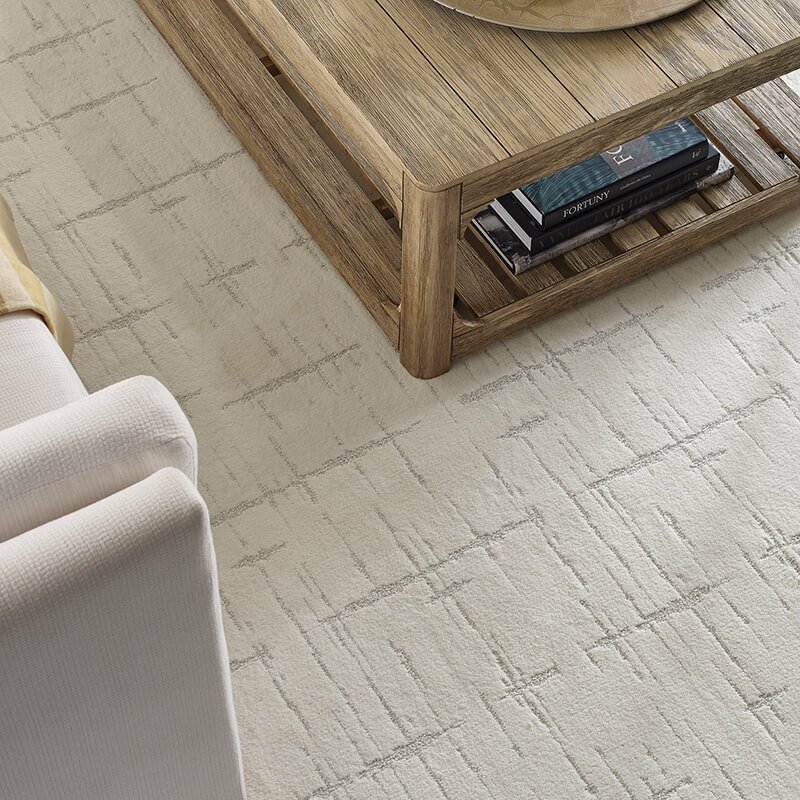
Patterned carpet often shows up through texture rather than obvious color shifts, which makes it especially appealing in bedrooms, upstairs halls, and staircases. Subtle rises and dips across the surface catch light differently as you move through the room, adding interest while preserving a calm, comfortable feel.
Those effects come from cut-and-loop constructions that combine plush fibers with tighter loops to form gentle lines, grids, and abstract motifs.
Many styles stay within a narrow color range, so your furnishings and walls still set the tone while the floor provides a layer of visual depth.
- Pin-dot and micro patterns: These small-scale designs act as a ‘visual neutral.’ They provide enough detail to add interest to a bedroom but are subtle enough to let your bedding and furniture remain the focal point.
- Tailored Linear Ribbing: Soft, repeating lines can act like a pinstripe for your floor. When used on stairs or in hallways, these patterns can visually lengthen the space and provide a sense of refined structure.
- Fluid, Organic Textures: These designs use varying loop heights to create soft, flowing movements that mimic natural elements like shifting sand or rippling water, helping to soften the sharp angles of a modern room.
- Tone-on-Tone Geometrics: Using two closely related shades of the same color, these patterns offer a triple-clean look. They provide the architectural feel of a diamond or trellis shape while keeping the overall color palette calm and cohesive.
Luxury Vinyl
Patterned luxury vinyl is popular in kitchens, entryways, and open living areas because it combines visual detail with everyday durability.
You can achieve stone-inspired layouts, classic wood arrangements, or bold geometric looks while keeping cleaning and upkeep simple. Many of today’s designs rely on thoughtful layouts as much as printed visuals, so the pattern comes from how the planks or tiles are placed across the room.
That flexibility allows you to shape how formal, relaxed, or dramatic a space feels without sacrificing performance in busy parts of the home.
- Chevron Plank Layouts: These angled boards create a repeating ‘V’ shape that draws the eye forward. This layout makes long rooms feel more dynamic and helps guide movement naturally through open floor plans.
- Staggered Stone Looks: Offset rectangular tiles mimic the rhythm of natural stone floors. This approach works well in mudrooms or kitchens where you want visual texture and a sense of permanence without heavy maintenance.
- Geometric Tile Arrangements: Square or hexagonal tiles placed in repeating layouts bring a sense of order and modern appeal to cooking and dining spaces.
- Framed Inset Designs: Placing a border beneath a kitchen island or a breakfast nook can visually separate work zones. This technique gives the floor a custom, built-in appearance that defines specific areas within a larger room.
Hardwood
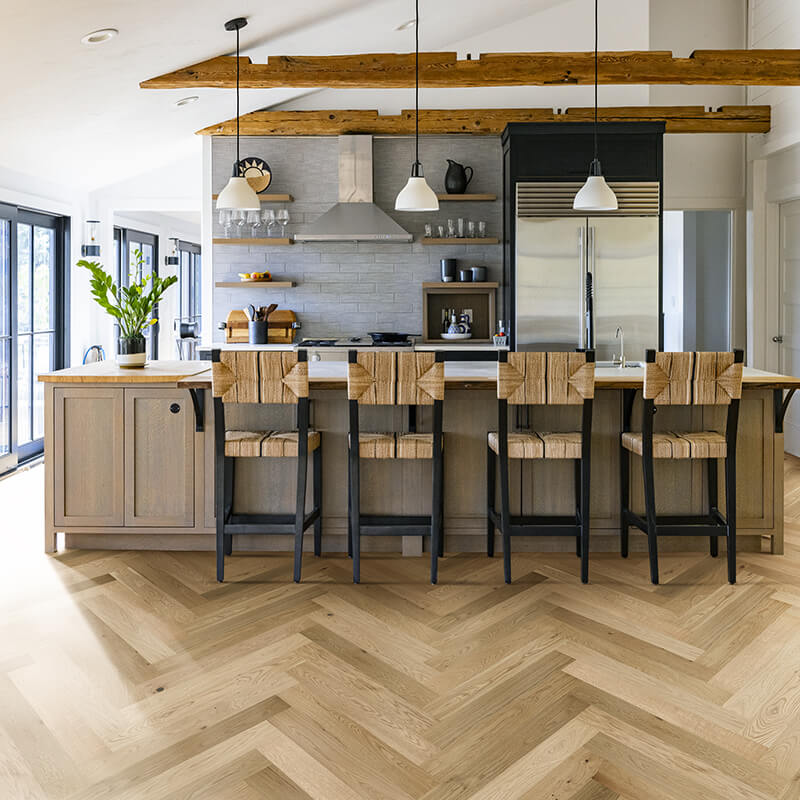
In hardwood flooring, pattern is found both in the natural character of the wood and the way the planks are installed.
Because every tree is unique, the grain itself creates an organic, one-of-a-kind pattern that adds warmth and life to a room. When you choose a specific installation layout, you elevate that natural beauty into a deliberate design statement that can last for generations.
- Herringbone Installations: This classic pattern uses rectangular planks overlapping in a broken zigzag. It provides a sophisticated, architectural weight that feels both traditional and high-end.
- Wide-Plank Variations: Choosing planks of varying widths creates a casual, rhythmic pattern across the floor. This look echoes historical craftsmanship and adds a sense of storied character to a home.
- Natural Grain Character: Some species feature ‘cathedrals’ or heavy mineral streaks in the grain. These natural patterns act as a soft, organic backdrop that complement rustic or transitional decor.
- Parquet Accents: Detailed wood mosaics or ‘basketweave’ patterns can be used to highlight specific rooms, such as a formal dining area or a home office, adding a layer of intricate detail.
Tile
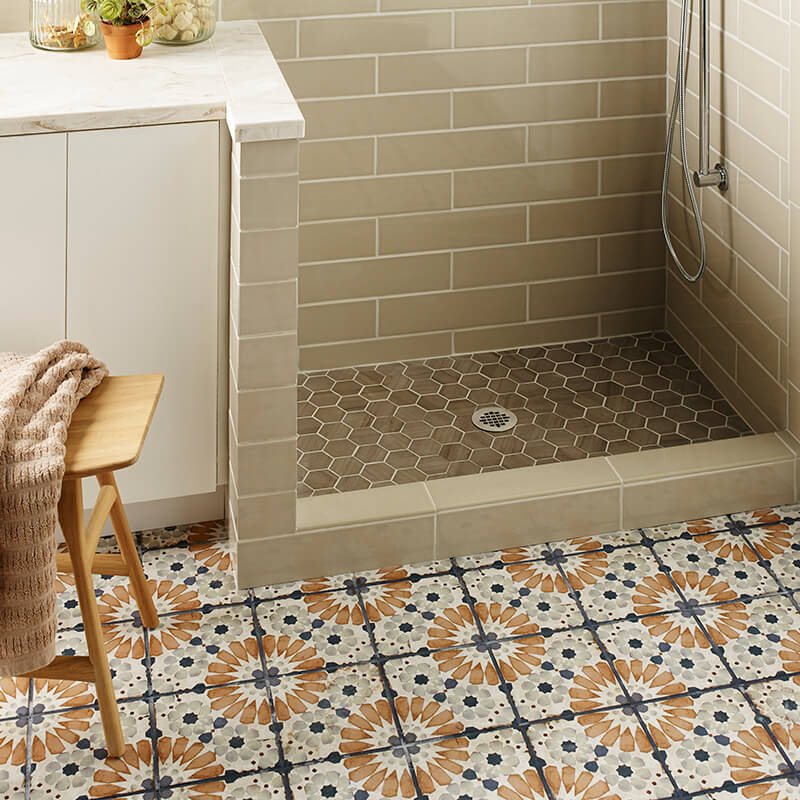
Tile offers some of the most expressive pattern possibilities, making it a favorite for areas where you want a durable, high-impact design. Whether it is through the shape of the tile itself or a printed motif, these patterns can act as a permanent piece of art for your home.
- Intricate Mosaics: Small-scale tiles arranged in repeating geometric or floral patterns provide a classic, high-end feel for bathrooms and entryways.
- Artisanal Motifs: Hand-painted or Mediterranean-inspired designs allow you to add a pop of personality to smaller areas like laundry rooms or mudrooms.
- Geometric Shapes: Utilizing hexagons or picket-shaped tiles creates a modern, architectural look that feels fresh and structured.
- Herringbone and Chevron Tile: Just as with wood, laying subway tiles in an angled pattern adds visual energy and a sense of movement to the room.
Area Rugs
Area rugs give you a flexible way to add pattern to your floors without committing to a permanent change. They work especially well in living rooms, dining areas, bedrooms, and entryways where you might want to refresh the look over time. With countless styles, colors, and scales available, rugs make it easy to experiment with design while keeping your hard surfaces in place.
You can keep the effect subtle and layered or make a bold statement that anchors the entire room.
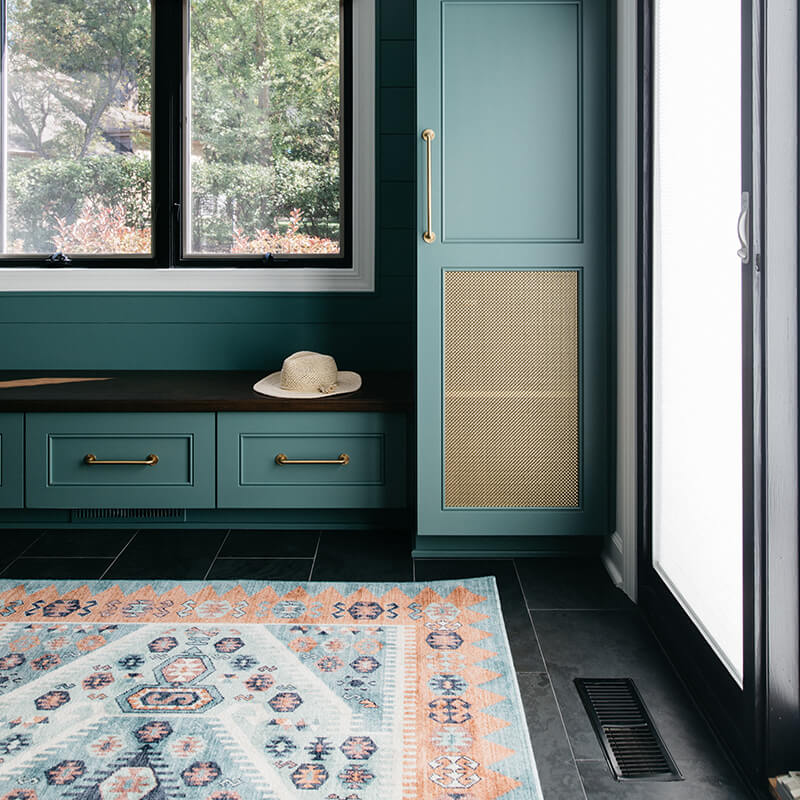
- Classic Oriental and Persian Motifs: These intricate, time-tested patterns feature ornate borders and central medallions that add a sense of history and elegance to a room.
- Modern Geometric Designs: Bold lines, intersecting circles, or abstract shapes create a contemporary focal point and help establish a room’s color story.
- Natural Textures and Braids: Subtle patterns found in jute, sisal, or woven wool provide a rhythmic, organic feel that adds dimension without overwhelming other decor.
- Distressed and Faded Patterns: These designs offer a ‘lived-in’ look, where traditional motifs are intentionally softened or blurred to fit a more casual, transitional aesthetic.
Choosing the Right Pattern for Your Space
Every room responds differently to pattern. The right choice depends on how a space is used, its natural lighting, and how it connects to the rest of your home. When elements like ceiling height and furniture scale work together, patterned flooring feels intentional and balanced.
- Room Usage: Soft textures and low-contrast patterns work well in bedrooms and offices, while entryways and dining rooms can handle bolder layouts.
- Lifestyle and Traffic: Multi-tonal patterns hide wear, dirt, and spills; simpler designs suit low-traffic spaces.
- Size and Proportion: Small rooms benefit from fine-scale patterns; large spaces can handle broader repeats and directional layouts.
- Lighting: Bright rooms highlight texture; darker spaces do best with lighter colors and subtle patterns.
- Furniture and Walls: Subtle floors balance busy decor, while bold floors can anchor simpler rooms.
- Flow Between Rooms: Repeating tones or pattern scales keeps connected spaces feeling cohesive.
Creating a Foundation with Personality
The right pattern—whether subtle or bold, organic or geometric—can transform how a room feels and flows. Thoughtful choices bring depth to quiet corners, structure to open spaces, and character to everyday areas like kitchens and hallways. Patterned flooring adds a layer of personality underfoot, enhancing the home you live in as well as the home you show off.
At Boyer's Floor Covering, we’ll help you explore your options and select the patterned flooring that fits your lifestyle, your rooms, and your personal style in Reading, PA.